Pomeranians, affectionately known as "Poms," are one of the most popular small dog breeds in the world. With their fluffy coats, fox-like faces, and big personalities, these tiny dogs have captured the hearts of pet owners everywhere. Despite their small size, Pomeranians are bold, energetic, and incredibly affectionate, making them excellent companions for individuals and families alike. However, their luxurious coats and spirited nature require specific care and attention.
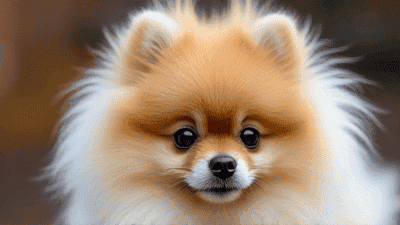
Pomeranians, affectionately known as "Poms," are one of the most popular small dog breeds in the world. With their fluffy coats, fox-like faces, and big personalities, these tiny dogs have captured the hearts of pet owners everywhere. Despite their small size, Pomeranians are bold, energetic, and incredibly affectionate, making them excellent companions for individuals and families alike. However, their luxurious coats and spirited nature require specific care and attention.
1. Understanding the Pomeranian Breed
History and Origin
Pomeranians originated from the Pomerania region, which spans modern-day Germany and Poland. They descended from larger Spitz-type dogs and were bred down to their current petite size. Queen Victoria of England played a significant role in popularizing the breed in the 19th century, and since then, Pomeranians have become a beloved companion breed worldwide.
Personality Traits
Pomeranians are known for their lively, curious, and affectionate personalities. They are highly intelligent, making them quick learners, but their independent streak can sometimes make them a bit stubborn. Despite their small size, Pomeranians are confident and often unaware of how tiny they are, which can lead to bold interactions with larger dogs.
Lifespan and Health
Pomeranians typically live between 12 and 16 years. While they are generally healthy, they are prone to certain health issues, including dental problems, luxating patella (knee dislocation), and tracheal collapse. Regular vet checkups and proper care can help ensure your Pomeranian lives a long and healthy life.
2. Grooming Your Pomeranian
The Importance of Regular Grooming
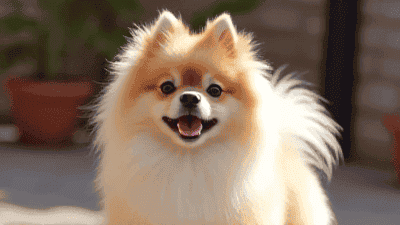
Pomeranians have a double coat consisting of a soft, dense undercoat and a long, fluffy outer coat. This luxurious fur requires regular maintenance to prevent matting, tangles, and skin issues. Proper grooming also helps keep your Pomeranian looking their best and can strengthen your bond with your furry friend.
Brushing Your Pomeranian’s Coat
Brushing is the cornerstone of Pomeranian grooming. Here’s how to do it effectively:
- Frequency: Brush your Pomeranian at least 2-3 times a week. Daily brushing is ideal during shedding seasons (spring and fall).
- Tools: Use a slicker brush, pin brush, and comb to remove tangles and keep the coat smooth.
- Technique: Start brushing from the base of the coat, working your way up to the tips. Be gentle, especially around sensitive areas like the belly and ears.
Bathing Your Pomeranian
Pomeranians don’t require frequent baths, but regular cleaning is essential to maintain their coat and skin health.
- Frequency: Bathe your Pomeranian every 3-4 weeks.
- Shampoo: Use a high-quality, dog-specific shampoo that’s gentle on their skin.
- Drying: Thoroughly dry your Pomeranian’s coat after a bath to prevent dampness, which can lead to skin issues. A blow dryer on a cool setting can help fluff the coat.
Trimming and Clipping
While Pomeranians don’t require full haircuts, some trimming is necessary to keep them comfortable and tidy.
- Paw Pads: Trim the fur between the paw pads to prevent dirt and debris from accumulating.
- Ears: Carefully trim the fur around the ears to maintain their shape and prevent tangling.
- Sanitary Areas: Keep the fur around the rear end short for hygiene purposes.
Nail Care
Regular nail trimming is essential to prevent overgrowth, which can cause discomfort and affect your Pomeranian’s mobility.
- Frequency: Trim nails every 2-3 weeks.
- Tools: Use a small, sharp nail clipper designed for small dogs.
- Technique: Avoid cutting the quick (the pink part of the nail) to prevent bleeding. If you’re unsure, ask your vet or groomer for guidance.
Dental Care
Pomeranians are prone to dental issues, so maintaining their oral health is crucial.
- Brushing: Brush your Pomeranian’s teeth daily with a dog-specific toothpaste and toothbrush.
- Dental Chews: Provide dental chews or toys to help reduce plaque and tartar buildup.
- Professional Cleaning: Schedule regular dental checkups and cleanings with your vet.
3. Socializing Your Pomeranian
Why Socialization Matters
Socialization is the process of introducing your Pomeranian to new people, animals, environments, and experiences. Proper socialization helps your Pomeranian develop into a well-rounded, confident, and friendly dog. Without it, they may become fearful, anxious, or aggressive.
Early Socialization
Start socializing your Pomeranian as early as possible, ideally between 8 and 16 weeks of age. This is the critical period when puppies are most receptive to new experiences. Introduce them to a variety of sights, sounds, smells, and textures in a positive and controlled manner.
Meeting New People
Pomeranians are naturally social, but they can be wary of strangers if not properly socialized. Follow these tips:
- Positive Reinforcement: Reward your Pomeranian with treats and praise when they interact calmly with new people.
- Gradual Exposure: Start with one or two people at a time, gradually increasing the number as your Pomeranian becomes more comfortable.
- Supervision: Always supervise interactions to ensure your Pomeranian feels safe.
Interacting with Other Animals
Pomeranians can be bold around other dogs, but their small size makes them vulnerable. Teach them to interact appropriately with other animals:
- Controlled Introductions: Introduce your Pomeranian to other dogs on a leash in a neutral environment.
- Small Groups: Start with calm, well-behaved dogs before exposing them to larger or more energetic groups.
- Prey Drive: Be cautious around smaller animals, as Pomeranians may have a high prey drive.
Experiencing New Environments
Expose your Pomeranian to different environments to build their confidence:
- Walks: Take your Pomeranian on walks in parks, busy streets, and quiet neighborhoods.
- Car Rides: Introduce them to car rides early to prevent anxiety.
- Public Places: Visit pet-friendly stores, cafes, and outdoor events to expose them to new experiences.
Handling Fear and Anxiety
Some Pomeranians may be naturally timid or anxious. Help them overcome their fears:
- Patience: Go at your Pomeranian’s pace and avoid overwhelming them.
- Desensitization: Gradually expose them to the things they fear while rewarding calm behavior.
- Professional Help: Consult a trainer or behaviorist if your Pomeranian shows signs of severe anxiety or aggression.
4. Training Your Pomeranian
Basic Commands
Training is essential to ensure your Pomeranian is well-behaved and responsive. Start with these basic commands:
- Sit: Hold a treat above your Pomeranian’s head and move it backward. When they sit, reward them.
- Stay: Ask your Pomeranian to sit, then step back and say "Stay." Reward them if they remain in place.
- Come: Call your Pomeranian’s name and reward them when they come to you.
House Training
Pomeranians can be stubborn when it comes to house training. Here’s how to succeed:
- Consistency: Take your Pomeranian outside at the same times each day.
- Rewards: Praise and reward them immediately after they eliminate outside.
- Crate Training: Use a crate to help them develop a routine and prevent accidents indoors.
Addressing Behavioral Issues
Pomeranians can develop behavioral issues if not properly trained. Address common problems like barking, digging, and jumping with:
- Positive Reinforcement: Reward good behavior and ignore or redirect unwanted behavior.
- Consistent Rules: Establish clear boundaries and enforce them consistently.
- Mental Stimulation: Provide toys and activities to keep your Pomeranian engaged and prevent boredom.
5. Keeping Your Pomeranian Healthy
Diet and Nutrition
A balanced diet is essential for your Pomeranian’s overall health. Choose high-quality dog food that meets their nutritional needs, and avoid overfeeding to prevent obesity.
Exercise
Despite their small size, Pomeranians are energetic and require regular exercise. Daily walks, playtime, and interactive toys can help keep them fit and happy.
Vet Checkups
Schedule annual vet checkups to monitor your Pomeranian’s health and catch potential issues early.
Conclusion
The Pomeranian is a delightful and affectionate breed that brings joy to any household. By following these grooming and socialization tips, you can ensure your fluffy friend remains healthy, happy, and well-behaved. Remember, Pomeranians thrive on love, attention, and care, so invest time in building a strong bond with your furry companion. With proper care and training, your Pomeranian will be a loyal and cherished member of your family for years to come.